Communicating in a "Contactless" World
During the COVID-19 recovery phase, local NGOs faced a dual crisis: the physical needs of their communities were growing, but traditional face-to-face fundraising and advocacy were impossible. Many organizations found that their old ways of communicating—printed brochures and town hall meetings—were no longer effective.
To secure continued support from international donors like the EU, these NGOs needed to rapidly digitize their presence and master the art of remote visual storytelling.
The Solution: A Strategic Visual Toolkit
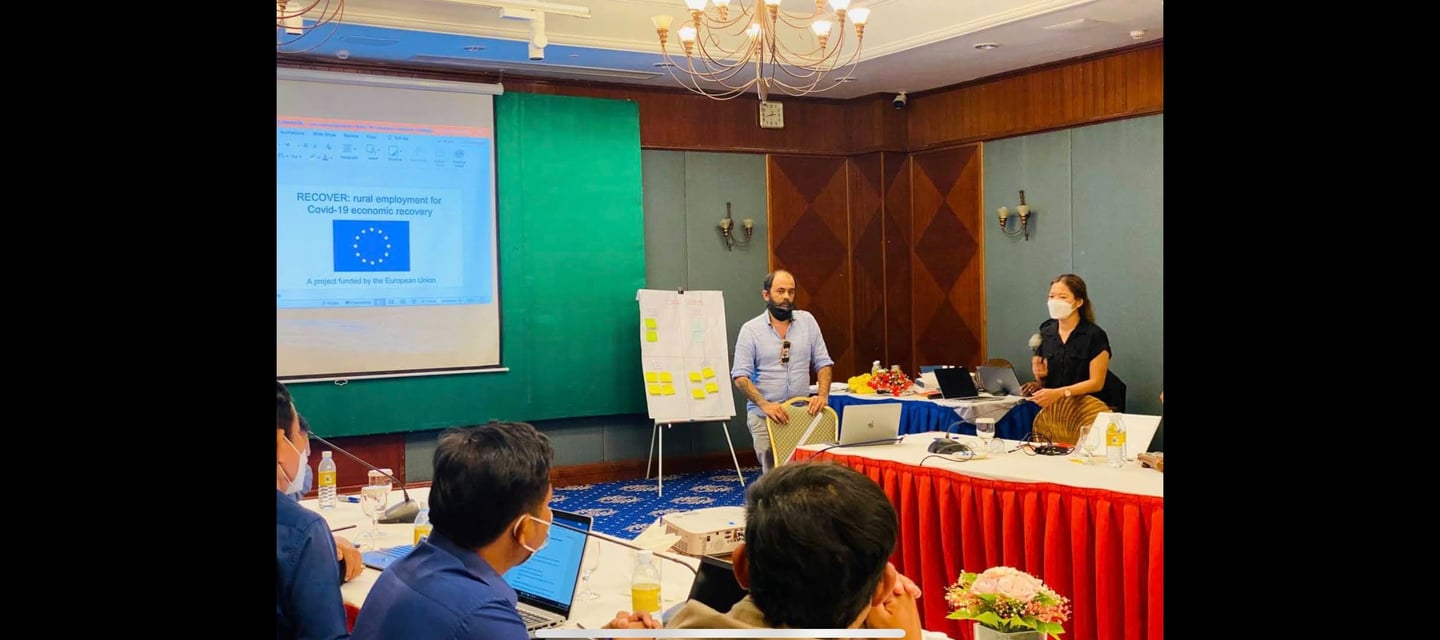
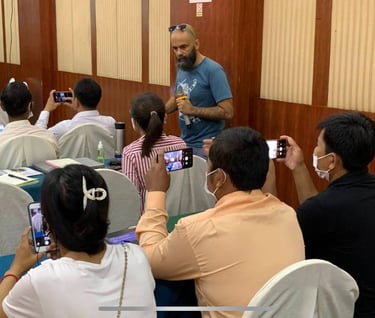
In collaboration with ACT Alliance, I developed a workshop designed to help NGOs transition from "survival mode" to proactive communication. The training focused on three pillars:
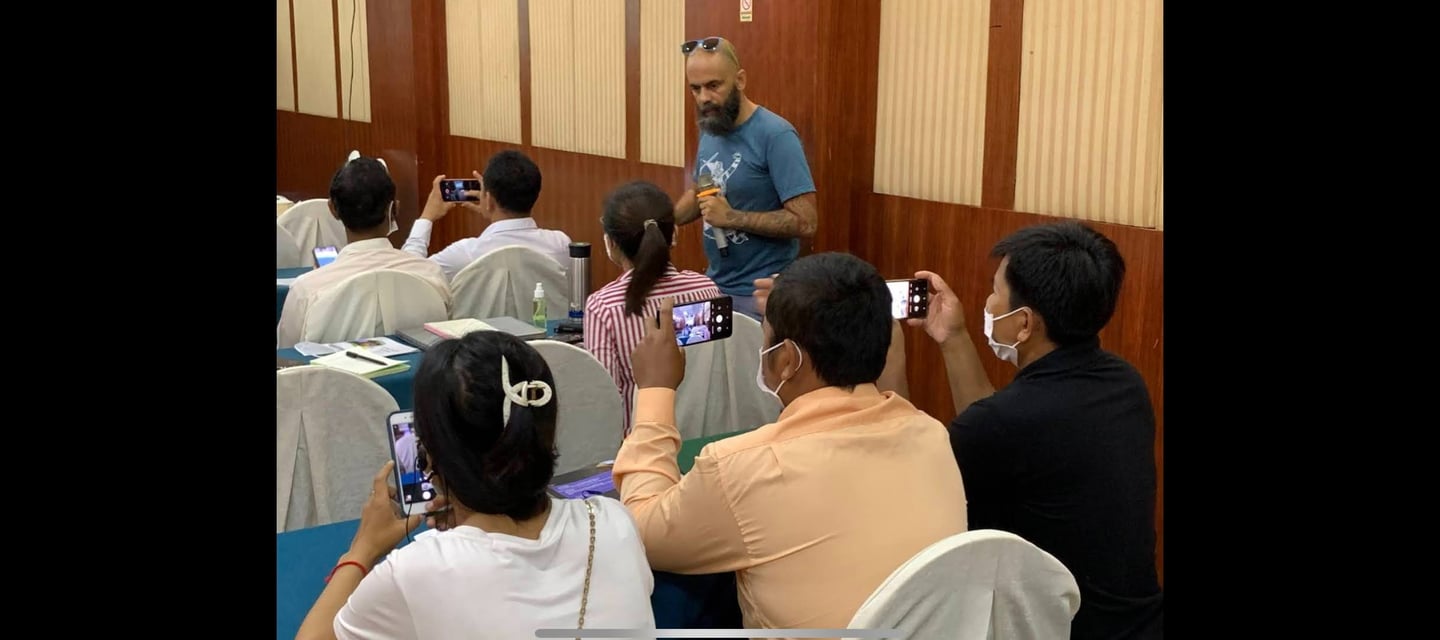
Capturing the "New Normal" (Visual Storytelling)
Ethics & Dignity: Training on how to photograph beneficiaries respectfully during a crisis, ensuring consent and dignity were maintained even in high-stress environments.
The "Micro-Story" Format: Shifting from long reports to 60-second visual updates that could be easily shared via WhatsApp or social media.
3. Strategic Messaging for Recovery
We moved beyond the "crisis" narrative to show resilience.
The Recovery Arc: How to frame stories that highlight community strength and long-term sustainability rather than just immediate aid.
Multi-Channel Distribution: Ensuring that content created for a donor report could be repurposed for Facebook, Instagram, and local news outlets to maximize reach.
The Results: A Unified Voice for Change
The workshop empowered a network of local NGOs to take control of their own narratives, leading to:
Increased Visibility: Partners reported higher engagement on digital platforms and a more consistent "look and feel" across their communication channels.
Strengthened Donor Relations: High-quality visual reports provided the EU and ACT Alliance with clear, compelling evidence of the work being done on the ground.
Digital Literacy: The skills learned (mobile editing, graphic design, and strategic posting) became permanent assets for these organizations, long after the lockdowns ended.